

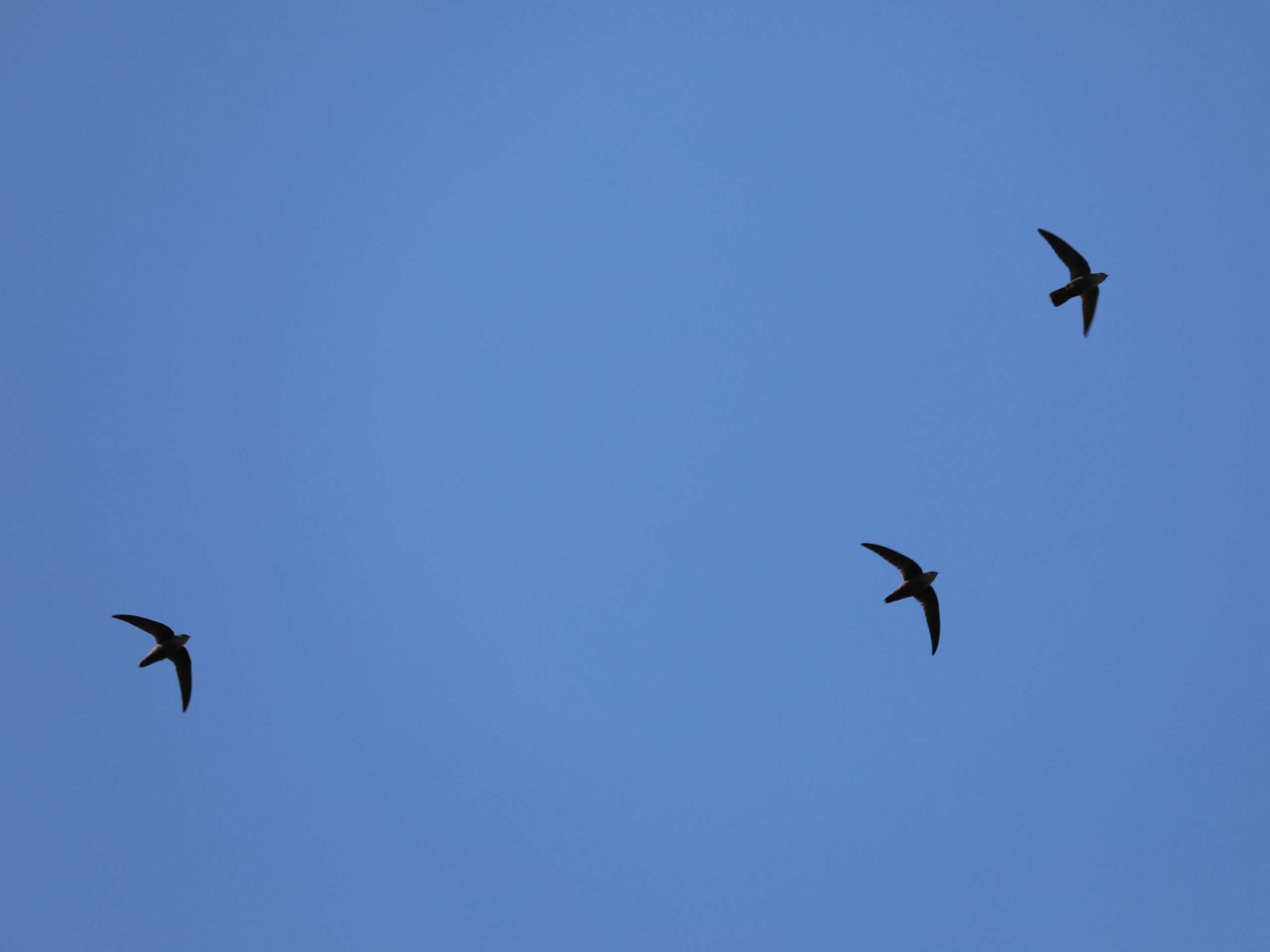
Chimney Swifts spend almost every waking moment airborne, zipping around in the sky to capture flying insects.
Have you ever been listening to birds singing and calling, then heard multiple birds abruptly change their calls?
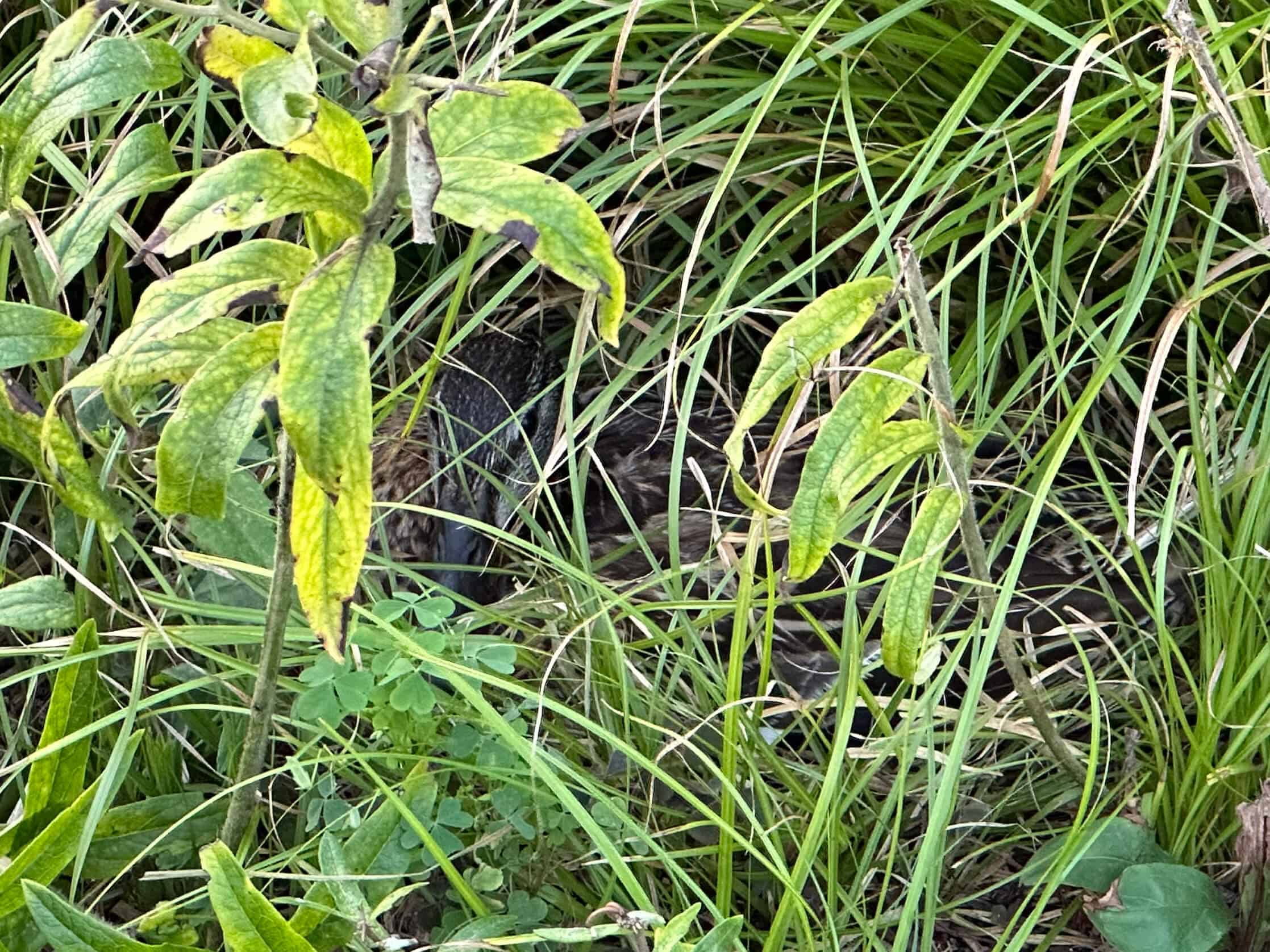
Like most birds, Mallards don't incubate their eggs non-stop. They average more than 22 hours per day on the nest, but they take breaks throughout the day.
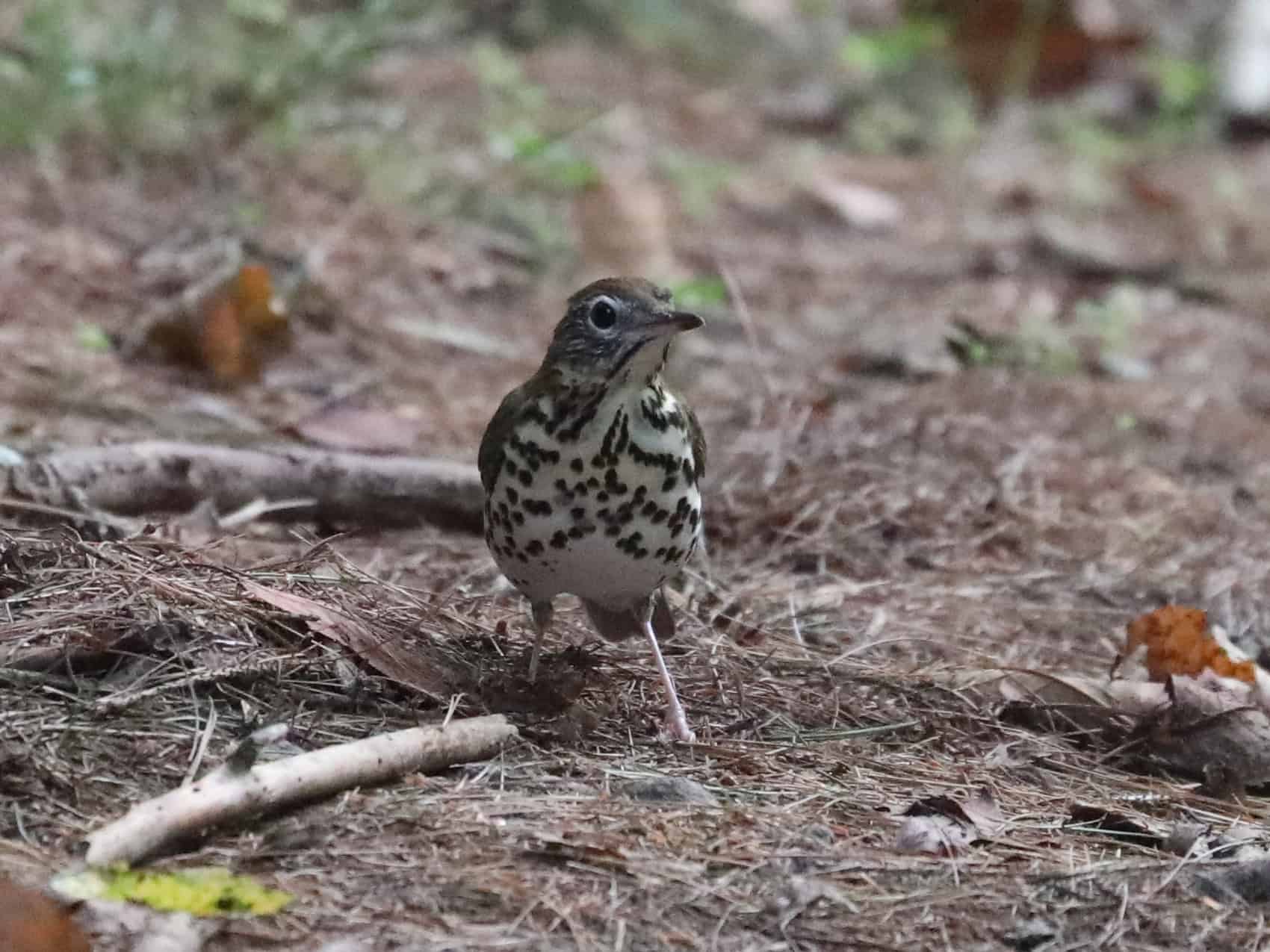
Pennsylvania's two most abundant thrushes, American Robin and Eastern Bluebird, are common backyard birds that live in our state year-round.

Look closely at a flock of Mallards this time of year, and you might find a similar species, the American Black Duck.

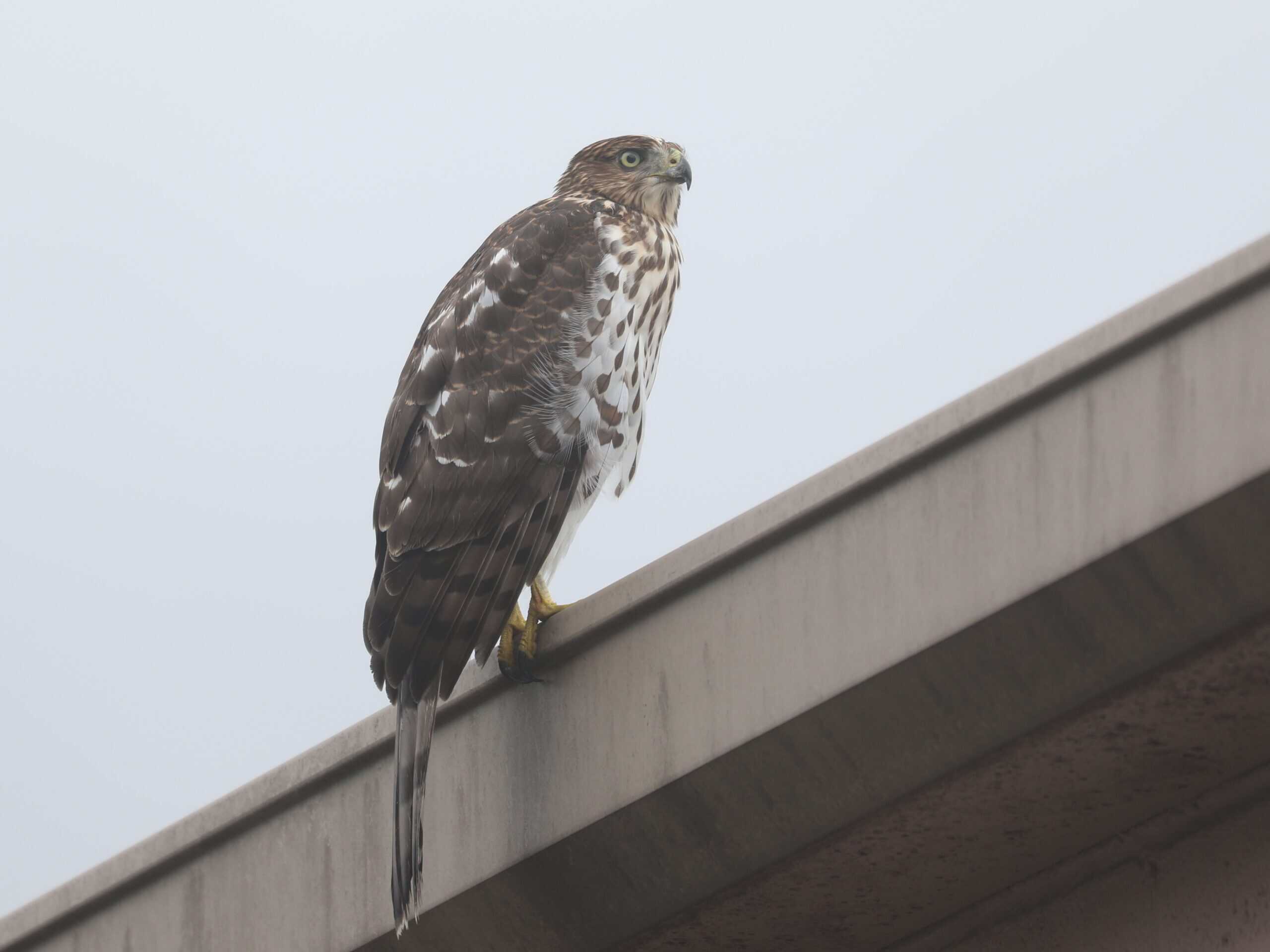
Few predators are more dangerous to your backyard birds than the Cooper's Hawk. Their short wings and long tail give them agility to chase down other birds.

Many birders keep several lists of birds. One of my favorite lists to keep is my yard list, which includes birds I can see from my yard or that visit my yard.
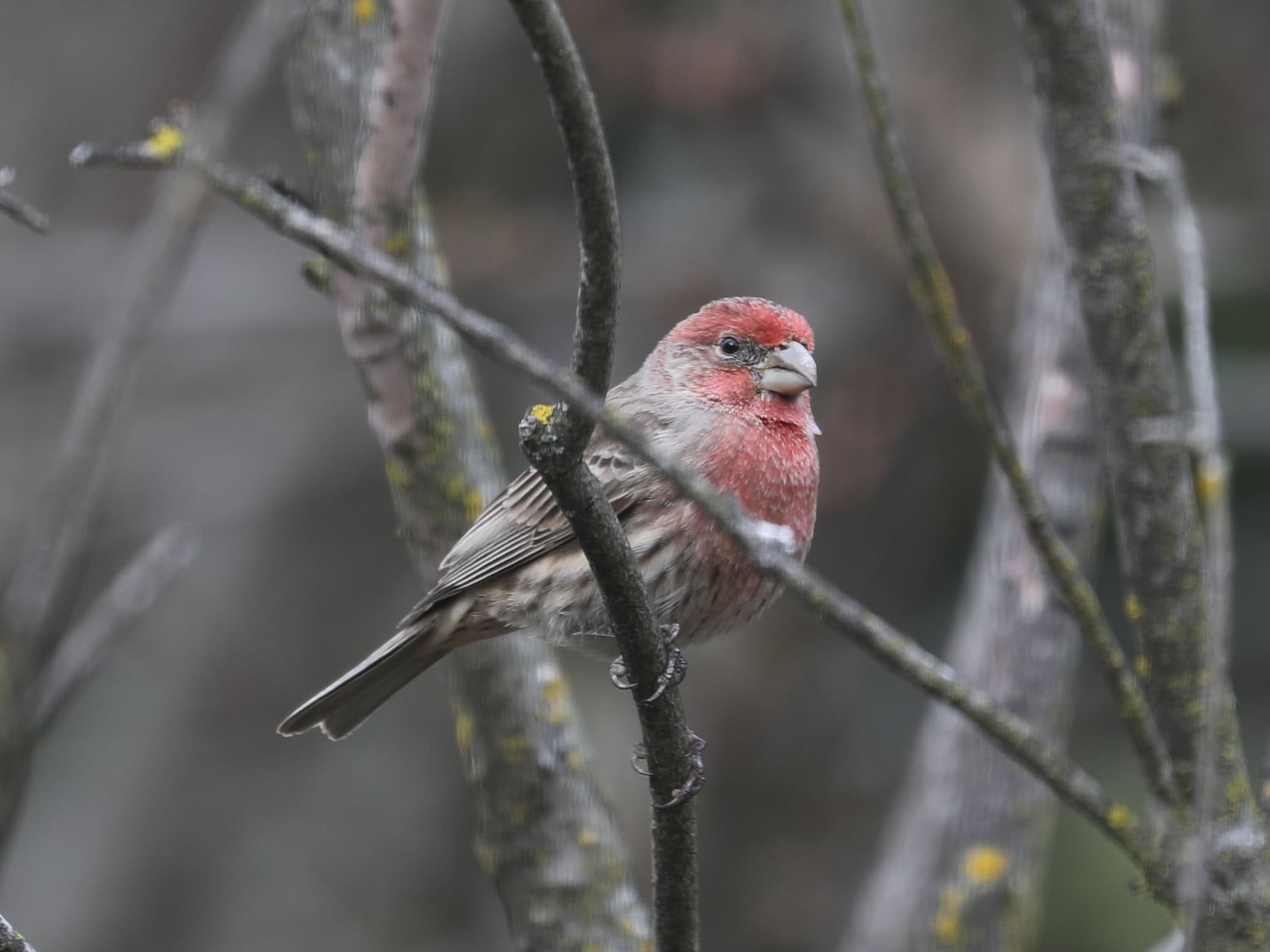
You're likely seeing many House Finches visiting your bird feeders this time of year. They're gregarious, so you often see them in flocks of 4 to 20 birds.
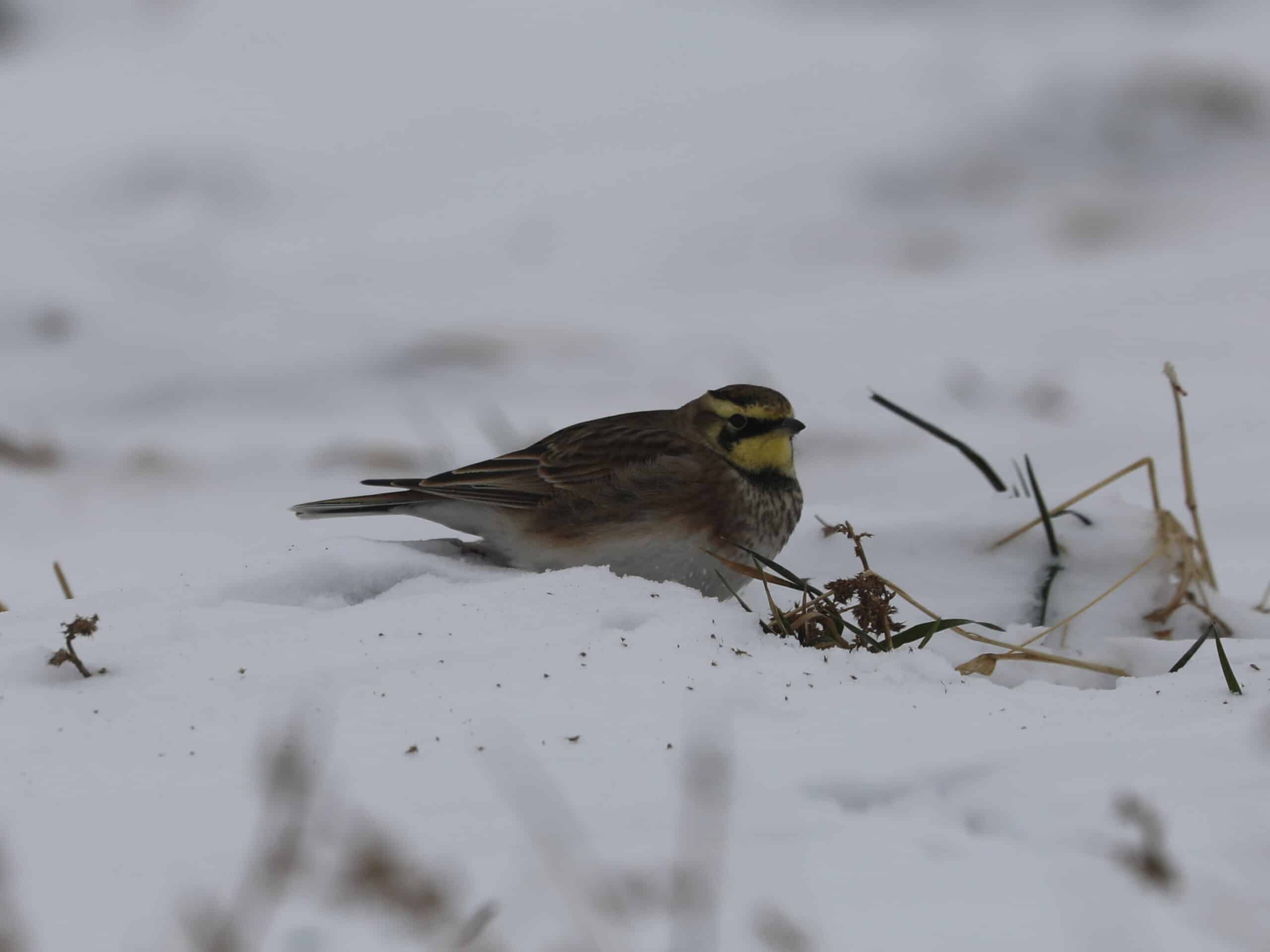
Freshly fallen snow can be a great birding opportunity. Birds like Horned Larks that live in fields are usually pretty hard to find.
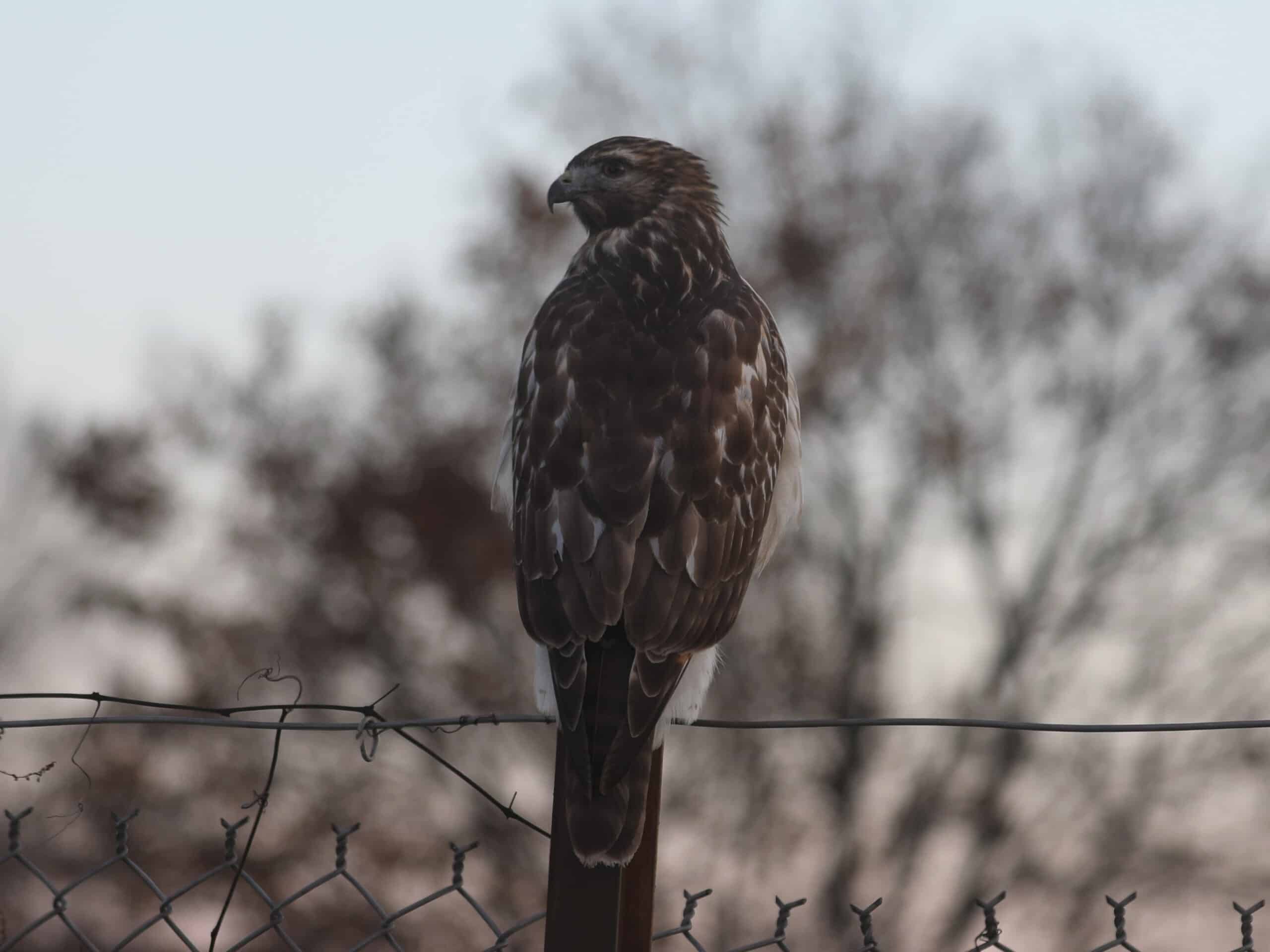
Next to the highways, hawks find easy hunting perches like utility poles, wires, and fences. They sit and watch from their perches for prey like voles and mice.

Presented by
Wild Birds Unlimited of Lancaster, PA
Wild Birds Unlimited of Mechanicsburg, PA
Wild Birds Unlimited of York, PA
Visit these stores in Central Pennsylvania for the best bird food and bird feeding accessories.
© 2026 • Bird Lovers LLC d/b/a Wild Birds Unlimited