

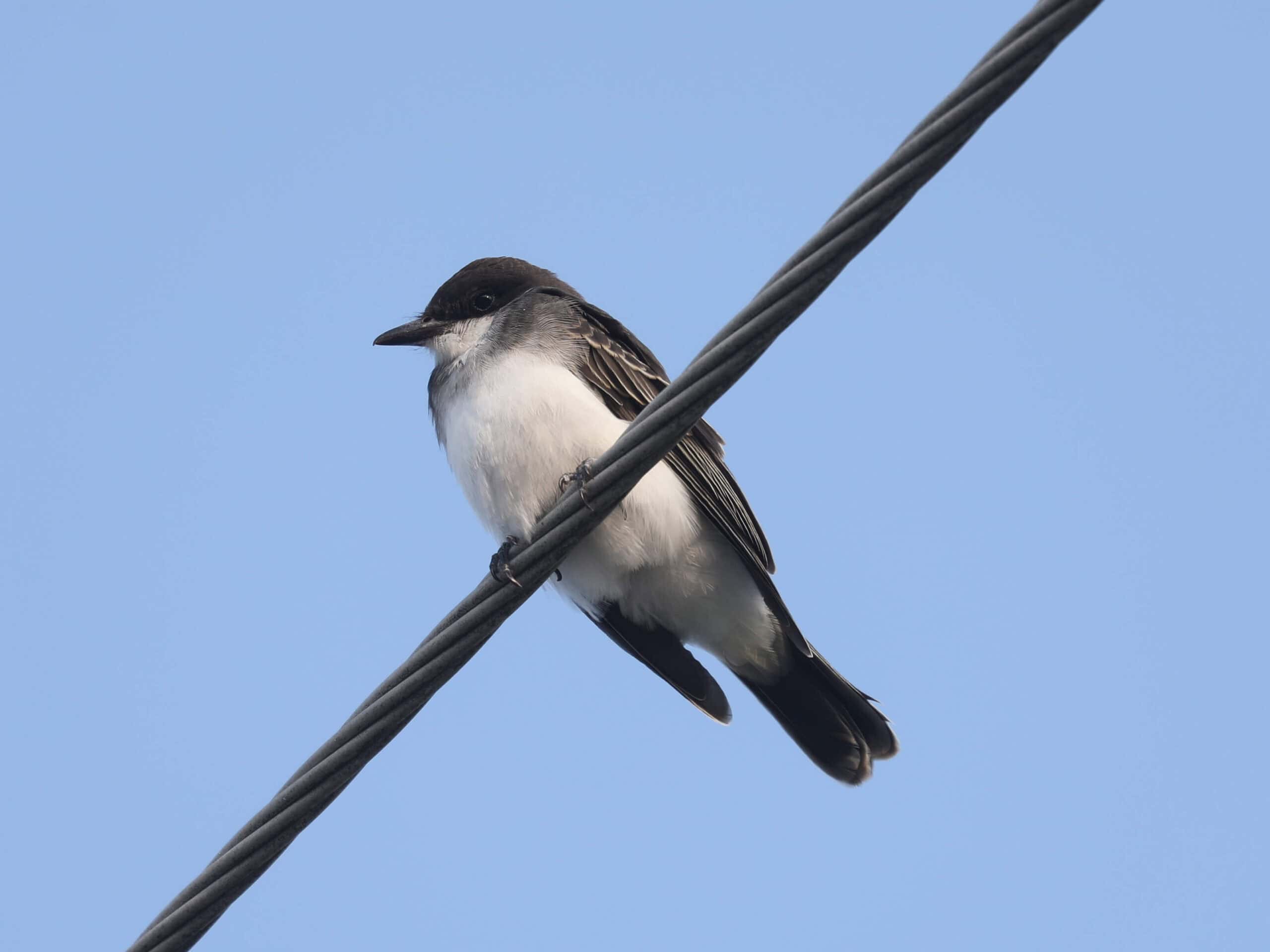
Last week I came across several juvenile Eastern Kingbirds as I was leaving the Wild Birds Unlimited Nature Shop in York.
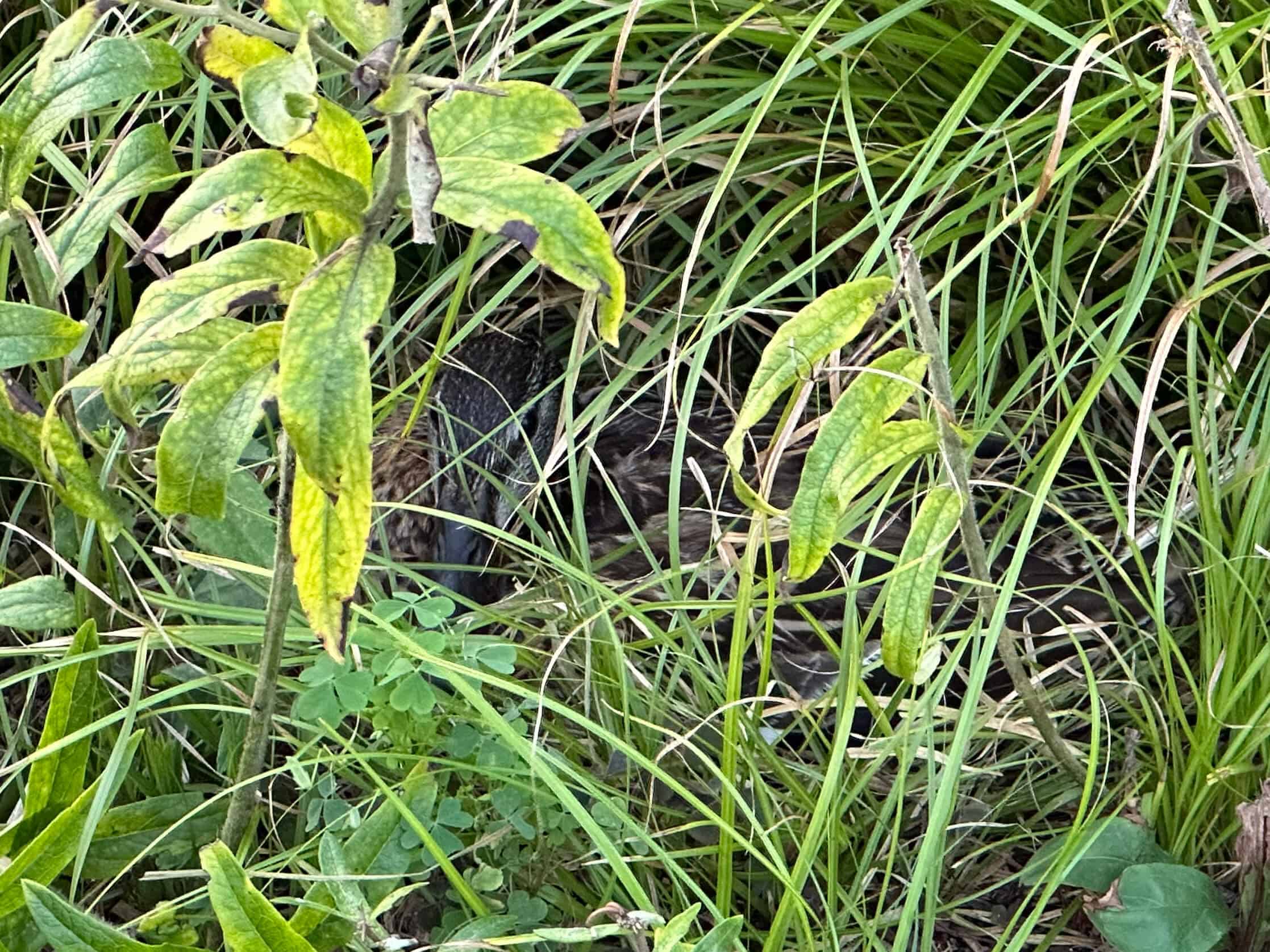
Like most birds, Mallards don't incubate their eggs non-stop. They average more than 22 hours per day on the nest, but they take breaks throughout the day.
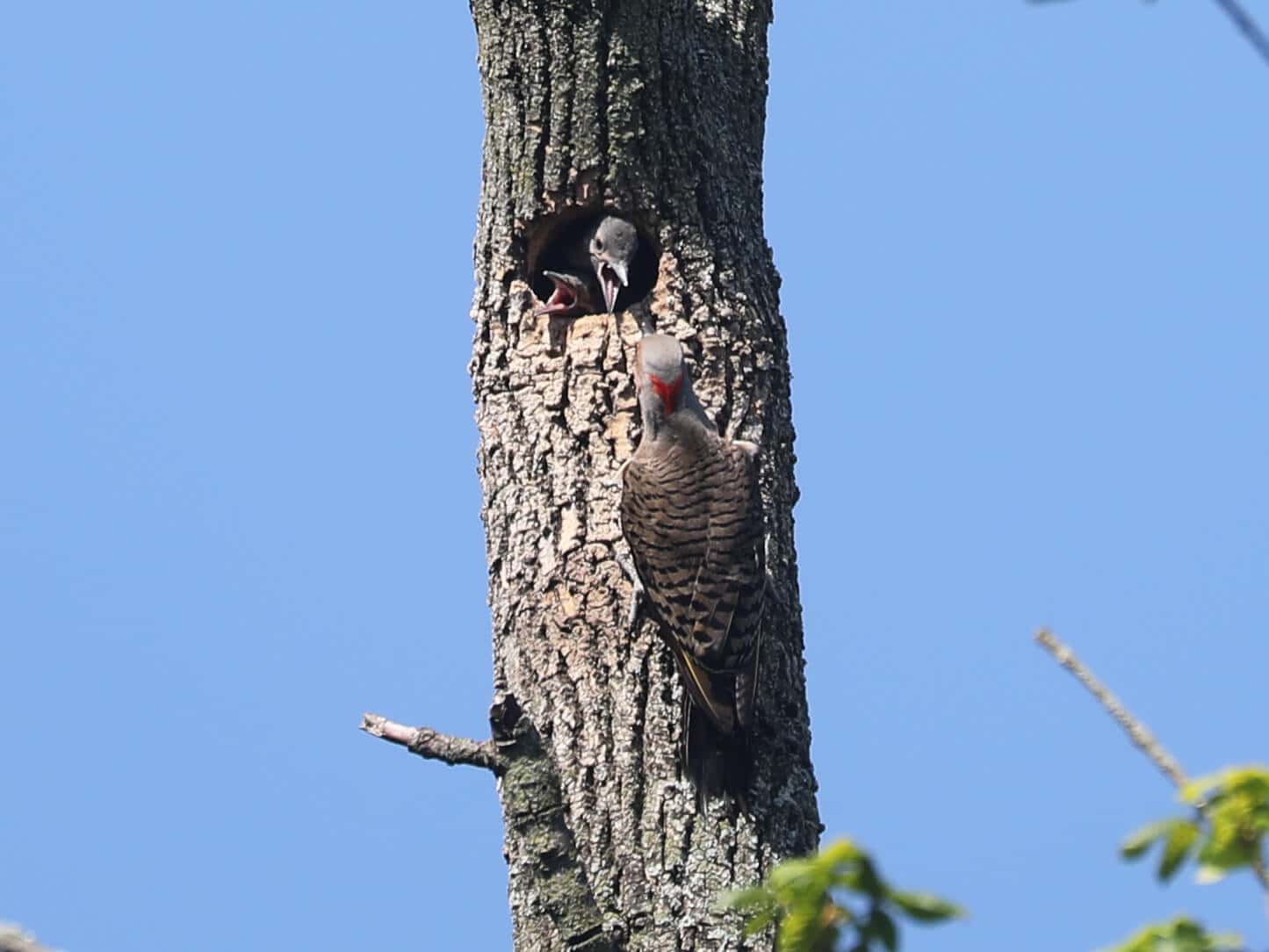
Many species nest in cavities, which can occur naturally as holes excavated in trees. Cavity nesting provides many benefits for birds.
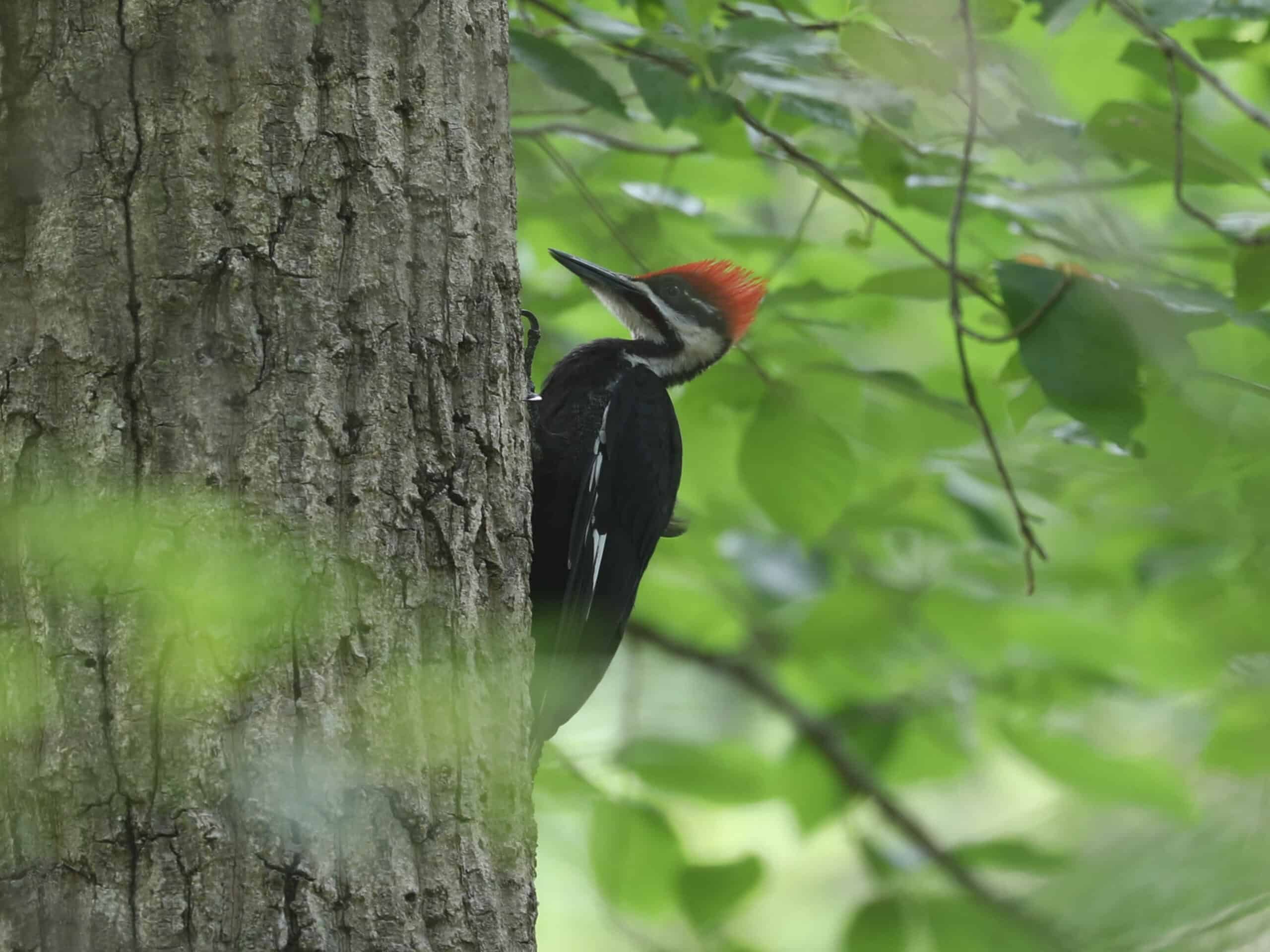
The Pileated Woodpecker is the largest woodpecker that lives in Pennsylvania. It's quite likely the largest woodpecker in North America as well.
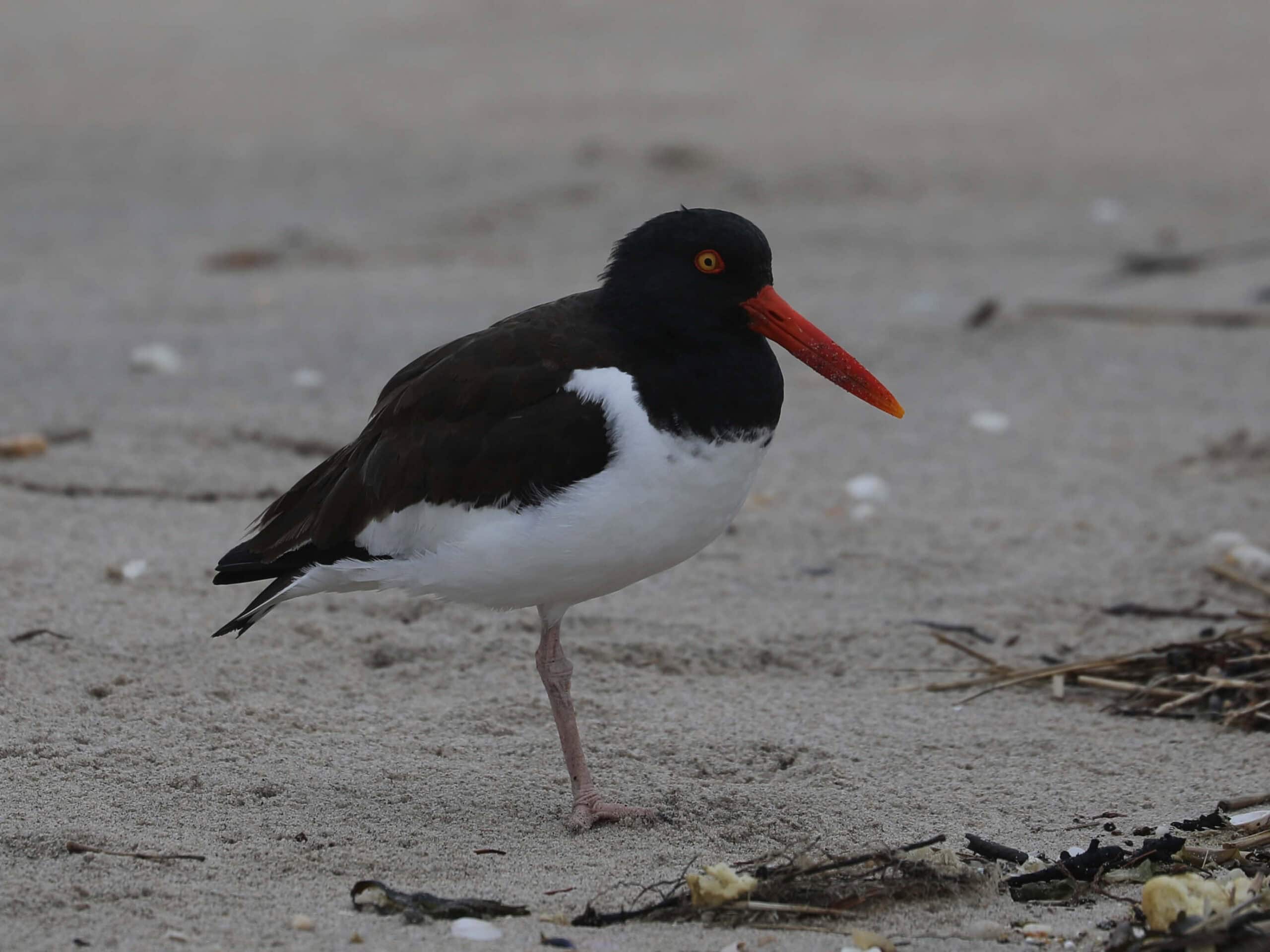
The American Oystercatcher is one of the most charismatic and distinctive birds inhabiting coastal habitats in the Americas.
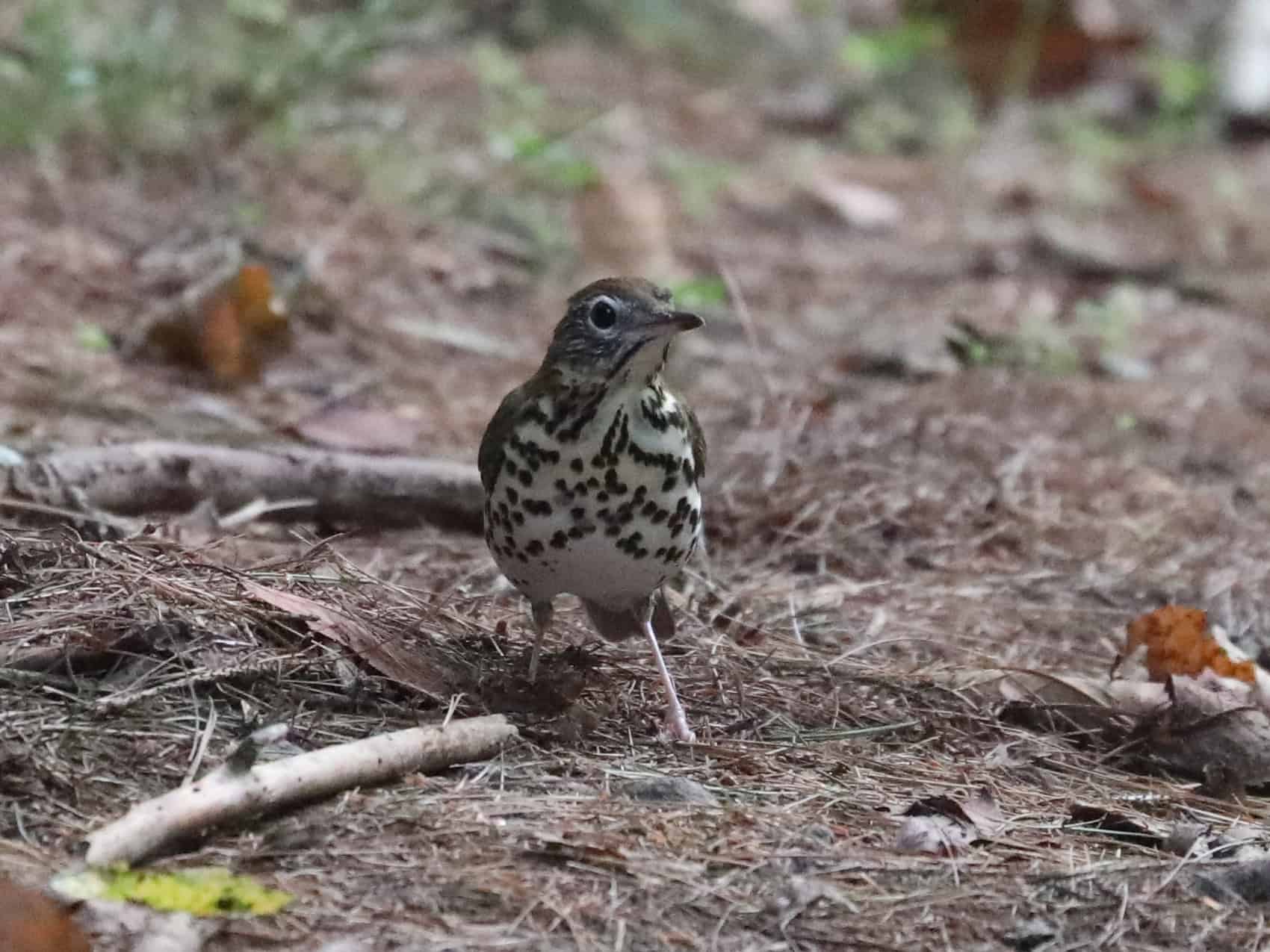
Pennsylvania's two most abundant thrushes, American Robin and Eastern Bluebird, are common backyard birds that live in our state year-round.

Weighing less than a third of an ounce, the Blue-gray Gnatcatcher is smaller than almost all other Pennsylvania birds.
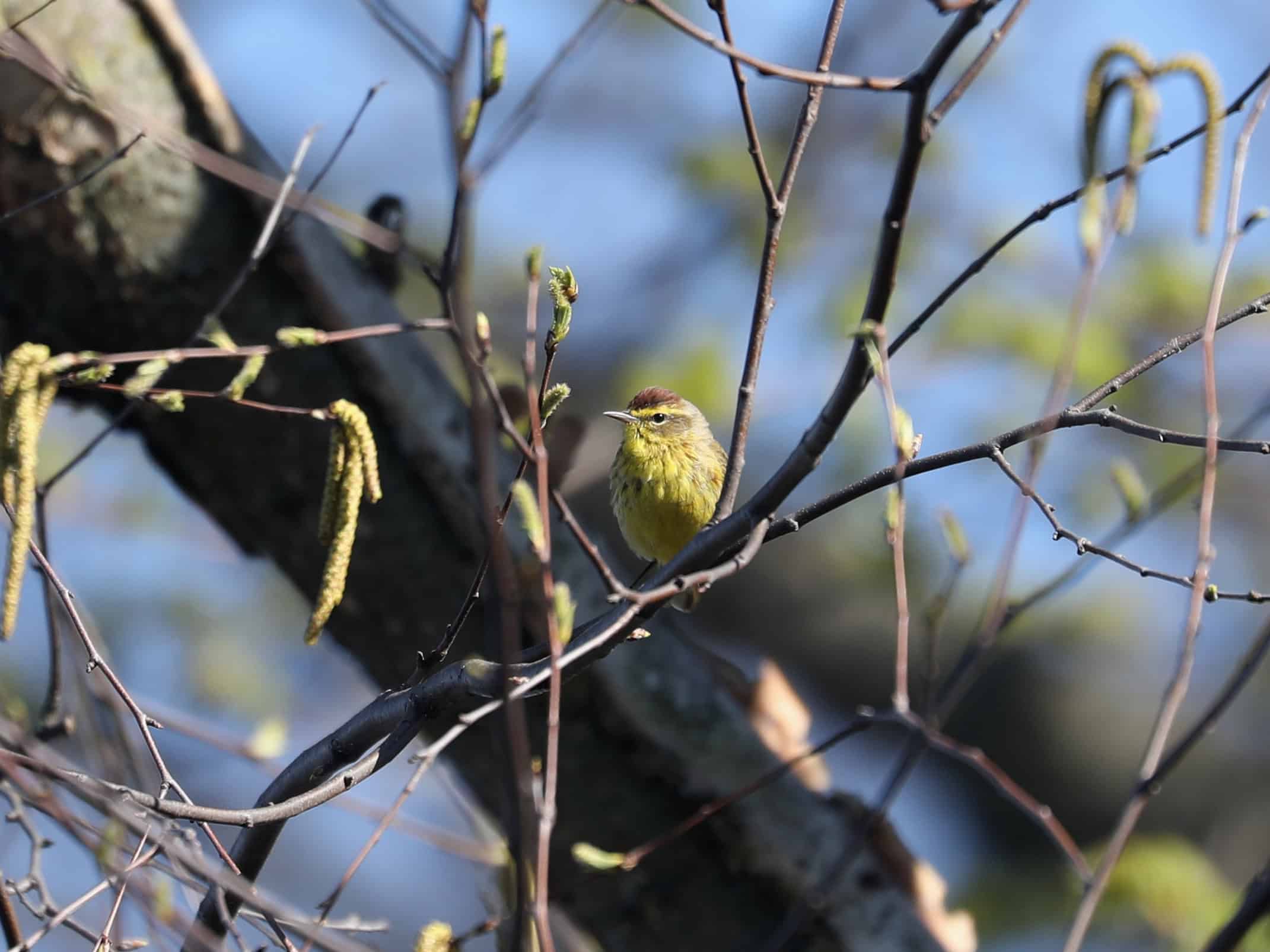
This week I came across a different kind of "tail-pumper" with a flock of Palm Warblers passing through on migration.

A fun sign of spring is the persistent song of the Eastern Phoebe, which returns to the Susquehanna Valley each year during the month of March.

I saw my first Great Egret of the year this week. Egrets leave our area during the winter, flying closer to the coast where unfrozen water is easier to find.

Presented by
Wild Birds Unlimited of Lancaster, PA
Wild Birds Unlimited of Mechanicsburg, PA
Wild Birds Unlimited of York, PA
Visit these stores in Central Pennsylvania for the best bird food and bird feeding accessories.
© 2026 • Bird Lovers LLC d/b/a Wild Birds Unlimited